
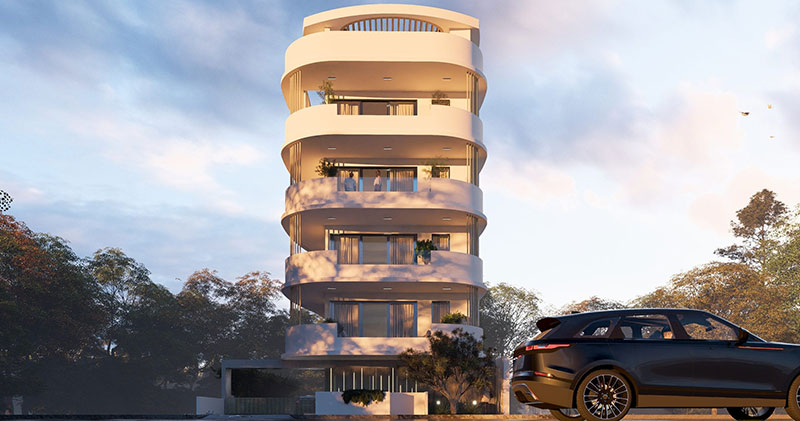
Why Some Homes Hold Value While Others Fade
Property markets rise, soften, then rise again. That part is predictable. What’s less predictable is how two homes on the same street, sold in the same year, can perform so differently a decade later.
One will still feel current, still photograph well, still attract serious buyers. The other starts to look tired, even if it was “luxury” at launch. The difference is rarely the marble or the appliance brand. It’s the fundamentals—the things you live with every day and can’t easily replace.
Timeless Appeal Usually Looks Like Restraint
Homes that age beautifully avoid extremes. They’re not designed around a single trend that will date quickly. Instead, they rely on proportion, calm layouts, and spaces that make sense when real life moves in.
You can feel it in circulation. Nothing feels forced. Rooms relate to each other naturally. Storage is where it should be. Light falls in a way that makes the home feel bigger than it is. That kind of restraint is not “minimalism” as a look. It’s maturity in planning.
Construction Quality Beneath the Surface
If you want to understand long-term value, look for what is expensive to fix later.
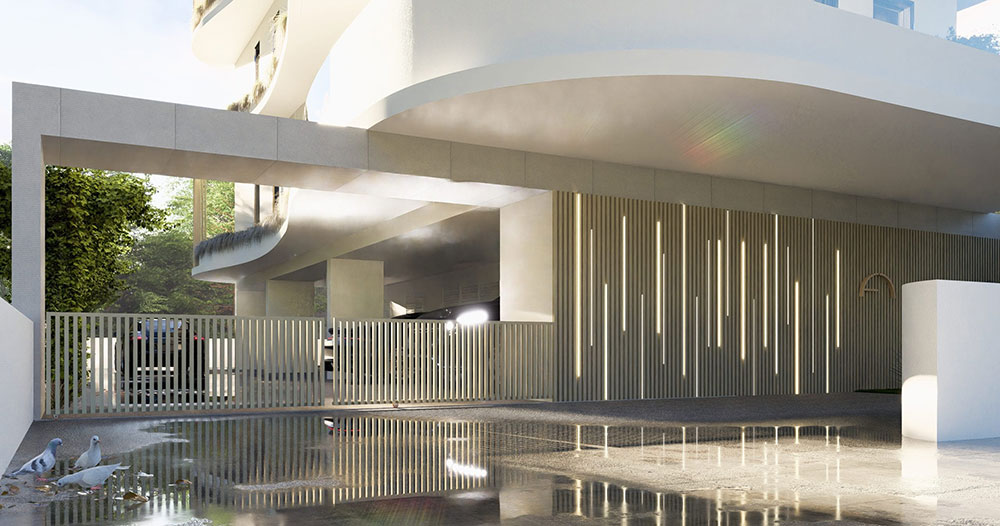
A strong building envelope matters more than almost any decorative upgrade. Moisture management, insulation continuity, and proper detailing at junctions are the quiet difference between a home that stays stable and one that slowly collects problems. These topics are not exciting, which is why they get ignored in hype-driven developments.
The best builds have fewer surprises. The home stays consistent across seasons. Temperatures are easier to control. Materials age naturally rather than peeling, swelling, or cracking early.
Energy Performance Is Now Part of “Premium”
Energy efficiency used to be a niche interest. Not anymore. Buyers are paying attention, and lenders and regulators are increasingly so.
A home that holds a steady indoor climate without constant heating and cooling is not just cheaper to run. It is less stressful to own. It protects interiors and reduces wear on mechanical systems. It also signals something important to the market: someone cared about how the building performs, not just how it looks on launch day.
Adaptability Protects Value
Investment-grade homes don’t need to predict the future. They just need to allow it.
Families change. Work habits change. Technology changes. A good home can absorb those shifts without major structural work. Flexible rooms, sensible wiring and service routes, and layouts that can be reinterpreted over time keep a property relevant. Homes that are too rigid or too “designed around one lifestyle” tend to lose appeal faster.
Intent Versus Hype
There’s a difference between building to sell and building to last. You can usually spot it.
Hype-led projects optimize for speed and first impression. Long-term-led projects optimize for performance, durability, and coherence. The second approach often feels quieter, sometimes less flashy at first glance, but it tends to age better and hold value more reliably.
That long-term mindset is also what you see in developers who treat residences as enduring assets, like Folia Homes developers.
How Buyers Can Read the Signals
Brochures rarely tell you what matters. The useful information is in the questions you ask and the answers you don’t get.
Ask about envelope performance, insulation approach, glazing, ventilation logic, and how the home handles seasonal changes. Ask what was prioritised when design decisions were made. Listen closely. Serious developers can explain the “why” behind the build without hiding behind buzzwords.
True long-term value is quiet. It shows up in comfort that doesn’t depend on constant tweaking, in materials that don’t fail after a few years, and in a home that still feels right when the market has moved on.